
When choosing between DTF and sublimation, focus on your fabric’s properties. DTF works on a wide variety of fabrics, including cotton, blends, and synthetics, and offers durability and vibrant colors. Sublimation is best on polyester or coated surfaces, creating seamless, long-lasting images. To get the best results, understand your fabric’s composition. Keep exploring to discover how to match these options perfectly to your project.
Key Takeaways
- DTF works on a wider range of fabrics, including cotton and blends, while sublimation is best suited for polyester-based materials.
- Sublimation offers seamless, durable images embedded into polyester fabrics, but is limited on natural fibers like cotton.
- DTF provides vibrant colors and excellent adhesion on diverse fabrics, suitable for heavy-use items and mixed fibers.
- Proper fabric composition is crucial; choosing the right method depends on natural versus synthetic content.
- Understanding fabric properties prevents printing failures and ensures optimal longevity and image quality.
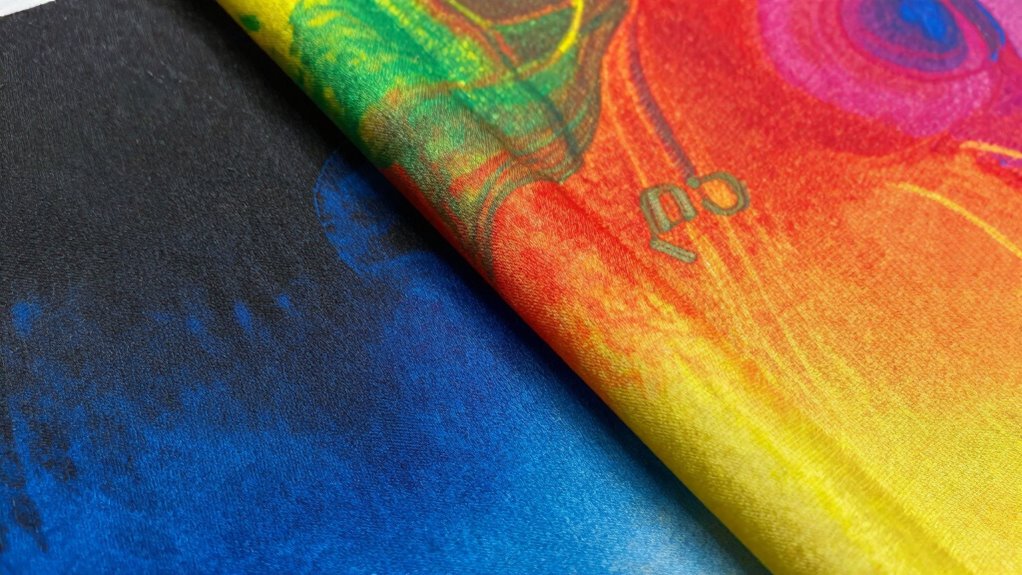
When deciding between DTF (Direct-to-Film) and sublimation printing, understanding the fabric you’re working with is crucial. Your choice hinges on the material’s properties, especially fabric durability and color vibrancy. Different fabrics respond uniquely to each printing method, so knowing what to expect can save you time and disappointment. DTF is versatile, capable of printing on a broad range of fabrics, including cotton, polyester, and blends. This adaptability makes it an excellent choice for various applications. The inks used in DTF tend to bond well with various fibers, resulting in prints that withstand frequent washings without cracking or fading. If you’re working with heavy-duty apparel or items subjected to rigorous use, DTF’s durability makes it a reliable option. Plus, DTF often offers excellent color vibrancy, producing bold, eye-catching images that retain their intensity over time. This method allows you to achieve sharp details and a wide color spectrum, making your designs pop. Additionally, understanding the fabric’s properties can help you optimize your printing process and final results.
On the other hand, sublimation printing excels on polyester fabrics and items with a polyester coating. When fabric composition aligns with sublimation’s requirements, the results are striking. Sublimation’s strength lies in producing vivid, seamless images that seem to become part of the fabric itself. The color vibrancy you get from sublimation is exceptional, especially on white or light-colored polyester surfaces. Additionally, sublimation involves a chemical process that creates a permanent bond, making the images resistant to fading over time. However, this method isn’t suitable for cotton or blended fabrics with significant natural fibers, as the dye doesn’t bond well with non-polyester materials. If your priority is creating vibrant, full-color images on polyester garments, sublimation is hard to beat. The colors are bright, the images are smooth, and the print feels permanent because it’s embedded into the fabric. But, keep in mind, sublimation’s fabric durability is limited on natural fibers; the print may crack or peel on cotton or blended fabrics after multiple washes. Understanding the fabric’s composition can help you choose the right printing method and avoid costly mistakes, as some fabrics have specific limitations that could impact your final product.
As an affiliate, we earn on qualifying purchases.
Frequently Asked Questions
Can DTF or Sublimation Be Used on Cotton Fabrics?
Yes, DTF can be used on cotton fabrics, offering good cotton compatibility and maintaining fabric flexibility. Sublimation, however, isn’t suitable for cotton because it requires polyester or synthetic fibers for vibrant, lasting prints. When choosing between the two, consider the fabric’s material and flexibility. DTF provides more versatile options for cotton, while sublimation is best suited for polyester-based fabrics to guarantee quality and durability.
How Durable Are DTF Prints Compared to Sublimation?
You might find it surprising, but DTF prints often boast greater durability than sublimation, especially on a variety of fabrics. DTF offers longer print longevity and better color retention over time, resisting cracking and fading more effectively. Sublimation, however, excels on polyester but may fade faster on other materials. So, if longevity and vibrant, lasting colors matter most, DTF generally provides a more durable choice for your projects.
Is There a Cost Difference Between DTF and Sublimation?
You’ll find that DTF generally has a higher upfront pricing comparison due to equipment costs, like the adhesive printer and powders. Sublimation tends to be more affordable initially, especially if you already own a compatible printer. However, keep in mind that ongoing costs, such as inks and maintenance, differ. DTF may cost more over time, but it offers more versatility on different fabrics, making it worth considering based on your needs.
Which Method Is Faster for Large Volume Printing?
Like a speedy courier of yore, DTF generally wins in print speed and production efficiency for large volumes. You’ll find it faster because it allows more straightforward, quicker workflows, especially with bulk printing. Sublimation, while quality-rich, tends to take longer due to its detailed process. For large-scale projects where time matters, DTF’s efficiency makes it the better choice, helping you meet tight deadlines without sacrificing quality.
Are Special Pretreatments Needed for DTF or Sublimation?
You don’t need special pretreatments for sublimation, but for DTF, a heat-activated adhesive film requires proper preparation. Make sure your fabric is compatible with heat activation and ink compatibility to achieve vibrant, durable results. For sublimation, the fabric must be polyester or coated with a special layer. In both cases, following manufacturer guidelines helps optimize ink adhesion and color vibrancy, avoiding issues like bleeding or poor adhesion.
Conclusion
Ultimately, choosing between DTF and sublimation depends on your fabric reality, not just the hype. Think of it like selecting the right key for a lock—you need the perfect fit for your material to open the best results. If you want vibrant, full-color prints on polyester or light-colored fabrics, sublimation is your go-to. For versatile, durable prints on a wider range of fabrics, DTF is more your style. Pick what truly fits your fabric’s personality, and you’ll be set for success.