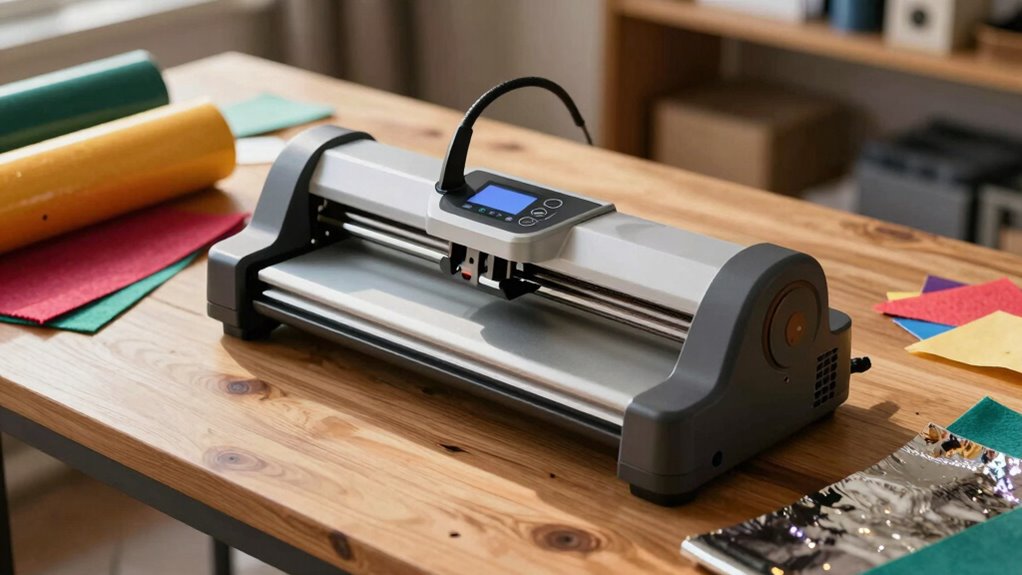

When shopping for a cutting machine, focus on the materials you plan to work with first. Different materials like wood, fabric, or metal need specific features for effective cutting. Matching your machine to these materials guarantees better performance and safety. Ignoring this step might lead to choosing an unsuitable machine. Keep in mind that understanding your material needs helps narrow down options, and if you keep exploring, you’ll discover how to select the best machine for your projects.

Get business pricing on tools and workshop supplies
- Business-only prices and quantity discounts
- Tax-exempt purchasing
- Multiple users, one account, clear invoices
Key Takeaways
- Identify the primary materials you plan to cut to ensure machine compatibility and optimal performance.
- Choose a machine that matches the specific requirements of your materials, like thickness and type.
- Consider material-specific features, such as blade type and cutting precision, before selecting a machine.
- Prioritize sustainable and eco-friendly materials that align with your environmental values.
- Regular maintenance and safety features are essential regardless of material choice for long-term reliable use.
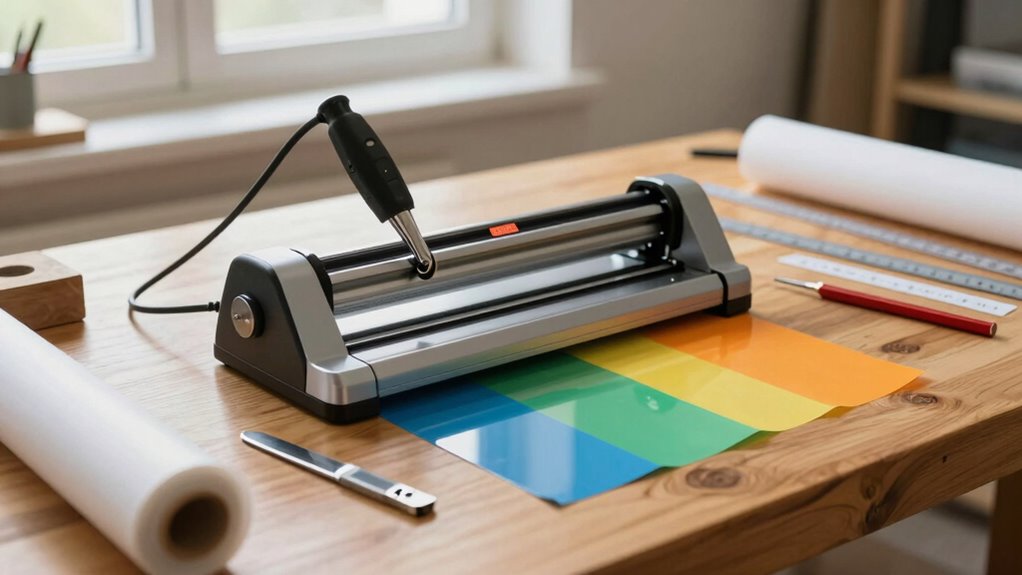
When selecting a cutting machine, the first step is to take into account the materials you’ll be working with most often. Your choice should be driven by the specific types of materials—wood, fabric, metal, or other substances—that you’ll be cutting regularly. Different materials require different machine capabilities, so understanding your primary needs helps narrow down your options effectively. Once you’ve identified your materials, focus on the features that support safe and efficient cutting, including blade maintenance and safety precautions. Proper blade maintenance is crucial for ensuring your machine performs well and lasts longer. Regularly inspecting blades for dullness, chips, or damage keeps cuts clean and reduces the risk of accidents. Sharp blades require less force and produce more precise cuts, but they also need frequent attention to stay in top condition. When maintaining blades, always follow the manufacturer’s recommendations, and use appropriate tools to change or sharpen them safely. Neglecting blade upkeep can lead to uneven cuts, increased wear on the machine, and potential safety hazards. Additionally, understanding the importance of biodiversity and how sustainable practices can influence material choices is beneficial for environmentally conscious projects. Being aware of sustainable practices can help you choose eco-friendly materials that align with your project values. Incorporating environmentally friendly options into your selection process can support more sustainable and responsible crafting. Recognizing the role of machine safety features** is also essential for preventing accidents and ensuring a secure working environment. Safety precautions are equally important when working with any cutting machine. Before starting, make sure you’re familiar with the user manual, and always wear protective gear such as safety glasses, gloves, and ear protection if needed. Keep your workspace clean and free of clutter to prevent accidental slips or trips. Never bypass safety features or operate the machine with loose clothing or jewelry that could get caught in moving parts. When making cuts, use clamps or guides to stabilize your materials, reducing the chance of slipping or kickback. Also, always disconnect the power before changing blades, performing maintenance, or cleaning the machine. This simple step can prevent accidental startups and injuries. Additionally, check the machine’s safety switches and emergency stop functions regularly to ensure they’re working correctly. Being aware that proper maintenance not only extends your machine’s lifespan but also ensures consistent safety and performance is essential. By following these safety precautions, you minimize risks and create a safer environment for yourself and others. Focusing on your materials first helps you choose a machine that fits your needs, but paying attention to blade maintenance and safety precautions is what keeps your work safe and efficient in the long run. Proper maintenance extends your machine’s lifespan, maintains cut quality, and prevents accidents. Meanwhile, staying vigilant about safety measures ensures you protect yourself during every project. When you combine an understanding of your materials with diligent blade care** and safety practices, you’re better equipped to select the right cutting machine and use it confidently and safely.
wood cutting machine for home use
As an affiliate, we earn on qualifying purchases.
As an affiliate, we earn on qualifying purchases.
Frequently Asked Questions
What Is the Most Durable Material for Cutting Machines?
The most durable material for cutting machines is high-quality steel, especially hardened steel or carbon steel. When considering material selection, durability factors like strength, wear resistance, and longevity are essential. You want a material that withstands frequent use and cutting pressure without warping or dulling. Opting for robust metals ensures your cutting machine remains reliable over time, making steel the top choice for durability and consistent performance.
How Do Material Types Affect Cutting Machine Maintenance?
Material types dramatically impact your cutting machine’s maintenance. For example, tougher materials like metal increase blade wear, drastically shortening blade lifespan, so you’ll need to replace blades more often. Softer materials like paper demand less frequent cleaning, but if you cut tough or sticky materials, you’ll find yourself cleaning more often to prevent jams. Choosing the right material helps you balance blade longevity and cleaning frequency, saving time and money.
Are Certain Materials Better for Beginners?
Yes, some materials are better for beginners because they’re safer and easier to cut, reducing the risk of accidents. For example, light cardstock or vinyl has material safety advantages and is affordable, fitting cost considerations. These materials are forgiving, helping you learn without frustration. As you gain confidence, you can explore more complex options. Starting with beginner-friendly materials guarantees a smoother experience and better results with your cutting machine.
Which Materials Require the Highest Cutting Precision?
You’ll find that materials like thin cardstock, vinyl, and delicate fabrics require the highest cutting precision. Their material compatibility demands careful adjustments to your machine’s cutting speed to prevent tearing or incomplete cuts. When working with these materials, slow down the cutting speed, and make certain your machine’s settings are finely tuned. This approach guarantees clean, accurate cuts, especially when precision is critical for intricate designs or detailed projects.
How Do Material Thicknesses Influence Machine Performance?
Imagine slicing through a delicate leaf versus a sturdy branch—that’s how material thickness influences your machine’s performance. Thicker materials demand greater cutting speed and may challenge material flexibility, risking accuracy. Thinner materials cut swiftly and easily, but thicker ones require careful adjustments. As you choose, remember that increased thickness can slow down your machine and strain its capabilities, so select a machine that balances cutting speed with the flexibility needed for your material’s thickness.
Conclusion
Remember, selecting a cutting machine begins with understanding your materials—like choosing the right brush for a canvas. When you focus on the textures and qualities of what you’ll be working with, the perfect tool naturally reveals itself, just like the gentle whisper of a breeze guiding you to the right path. Trust your instincts and the feel of your materials, and you’ll craft with confidence, creating beautiful results as effortless as a leaf drifting on a calm stream.
Fall yard work Picks
leaf blowers
As an affiliate, we earn on qualifying purchases.