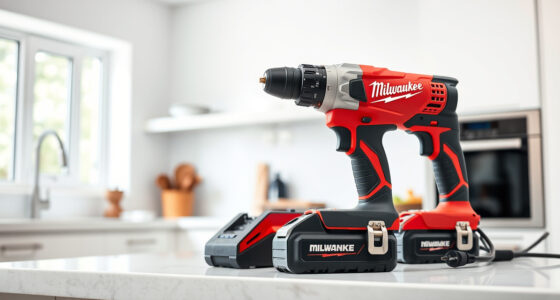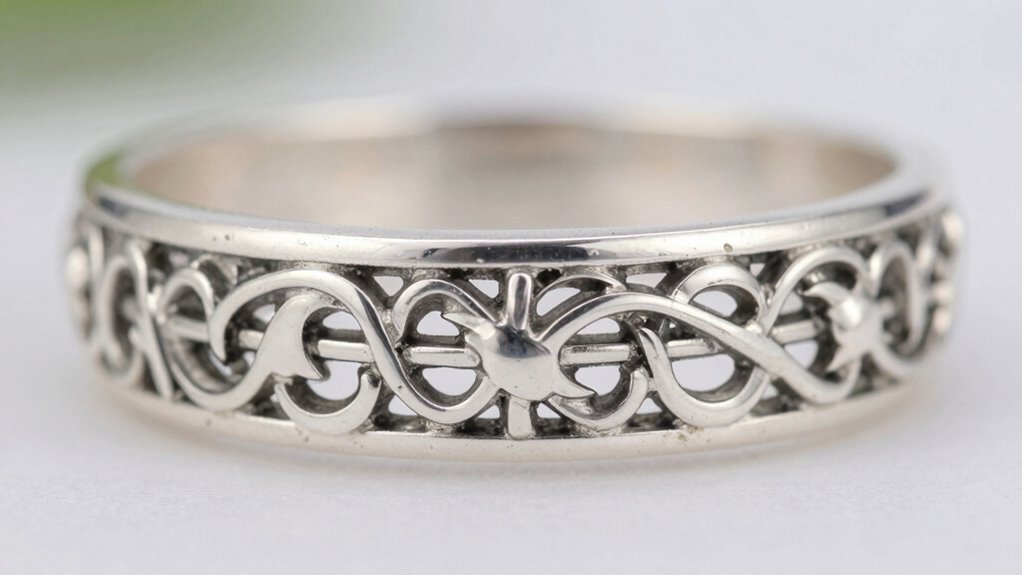

To make your handmade project look polished instead of homemade, focus on precise measurement, careful finishing, and attention to detail. Guarantee all cuts are clean, edges are smooth, and seams are neatly aligned. Use high-quality materials suited for the project, and anticipate how they’ll respond during finishing. Take your time with sanding, sealing, and adding final touches to hide imperfections. Keep honing your skills—staying meticulous will elevate your work to a professional level. If you keep experimenting, you’ll discover even more ways to perfect your craft.
Key Takeaways
- Utilizing professional finishing techniques like smooth sanding, clean cuts, and precise details enhances the polished appearance.
- Selecting high-quality, well-graded materials ensures durability and a refined look.
- Paying close attention to measurement and alignment creates seamless, well-constructed results.
- Understanding material behavior helps prevent flaws and achieves a more refined finish.
- Adding thoughtful details and consistent coatings, like paint or sealant, elevates the overall craftsmanship.

Creating polished handmade projects allows you to showcase your craftsmanship and attention to detail. One of the key elements that elevate a project from homemade to professional-looking is the mastery of finishing techniques. These techniques include smoothing rough edges, applying clean cuts, and adding precise details that hide imperfections. When you focus on finishing, you give your work a refined appearance that suggests care and skill, making it stand out. Proper finishing also involves sealing or coating your project, whether with paint, varnish, or a clear sealant, which protects the material and gives it a smooth, cohesive look. This final touch can make the difference between a project that looks hastily assembled and one that appears intentionally crafted. Paying careful attention to craftsmanship throughout the process further ensures a high-quality, polished result. Material selection plays an essential role in achieving a polished look. Choosing high-quality materials that suit your project’s purpose ensures not only durability but also a more refined aesthetic. For instance, opting for smooth, well-graded wood or quality fabric will create a more professional appearance than lower-grade alternatives. When you select your materials carefully, you’re setting a solid foundation for your craft, which naturally results in a cleaner, more sophisticated finish. Additionally, understanding how different materials respond to tools and finishing techniques helps you work more efficiently and achieve a seamless look. Developing an understanding of material behavior can help you anticipate how your materials will respond during the finishing process. Practicing proper technique can significantly improve your overall results and reduce the need for rework. Understanding the properties of materials allows you to choose the best methods for finishing and avoids common pitfalls. Incorporating consistent measurement and alignment ensures that all parts fit together precisely, elevating the overall quality of your project. Combining thoughtful material selection with expert finishing techniques is what transforms a simple handmade item into a polished masterpiece. It’s not just about choosing the right materials but also about how you handle them throughout the process. You pay attention to details like sanding surfaces smoothly, aligning edges perfectly, and ensuring seams are hidden or neatly finished. These small but significant steps contribute to the overall professional appearance. When your work reflects a careful selection of materials and meticulous finishing, it communicates that you’ve invested time and effort into your craft. This attention to detail resonates with viewers or recipients, making your project not just handmade but truly polished and impressive.
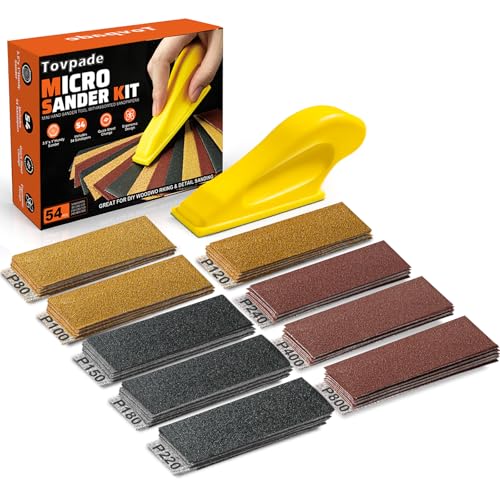
TOVPADE 54PCS Premium Micro Sander, Detail & Mini Sander Block – Precision Small Hand Sanding Tool, 80–800 Grit Sandpaper Kit, 3-in-1 Set for Wood, Crafts, Furniture, Tight Spaces & DIY Projects
- All-in-One Sanding Kit: Includes sanding block and 54 sandpapers
- Variety of Grits: 9 grit types from 80 to 800
- Precise Grit Identification: 3-color-coded grit system for easy recognition
As an affiliate, we earn on qualifying purchases.
As an affiliate, we earn on qualifying purchases.
Frequently Asked Questions
How Do I Choose the Right Materials for a Professional Finish?
To choose the right materials for a professional finish, focus on fabric textures and material durability. Select fabrics with smooth, high-quality textures that look refined and feel good to the touch. Prioritize durable materials that withstand wear, ensuring longevity and a polished appearance. Consider the project’s purpose and environment, opting for sturdy options when needed. This careful material selection enhances your project’s overall look, making it appear expertly crafted rather than homemade.
What Tools Can Improve the Quality of My Handmade Projects?
Think of your tools as the brushstrokes of a master artist; they elevate your project from rough to refined. Invest in quality sanders, precision scissors, and fine brushes for finishing touches, and always prioritize surface preparation. These tools help you achieve smooth surfaces and clean details, making your work look polished. With the right tools, your craftsmanship shines, transforming homemade efforts into professional-looking masterpieces that evoke admiration.
How Can I Correct Mistakes Without Damaging My Work?
To correct mistakes without damaging your work, focus on crafting perfection through gentle adjustments. Use the right tools, like fine needles or precision scissors, to fix errors carefully. Practice material mastery by understanding how your materials respond to corrections, like lightly sanding or dabbing with glue. Always test corrections on a hidden area first, ensuring your project maintains a polished, professional look rather than appearing homemade.
What Techniques Help Hide Imperfections in Handmade Items?
Think of your project as a masterpiece in progress, and imperfections as shadows that add character. To hide them, focus on smooth surface textures and apply finishing touches like a gentle sanding or a light coat of paint. Use decorative elements or subtle embellishments to draw attention away from flaws, making your work look intentional and refined. These techniques turn minor imperfections into charming details, elevating your handmade project to a polished finish.
How Do I Select the Best Color Combinations for a Polished Look?
To select the best color combinations for a polished look, rely on color theory principles to create visual harmony. Stick to a cohesive palette by choosing complementary or analogous colors, which balance well together. Avoid cluttered mixes; instead, use a dominant color with accents for contrast. Test your choices by viewing your project in different lighting. This approach guarantees your handmade item appears intentional, refined, and visually appealing.
Conclusion
To transform your handmade projects from simply sweet to stunningly sophisticated, focus on finesse and flair. Finishing touches like flawless seams, thoughtful details, and a touch of patience perfect your piece. Remember, practice makes polished, so don’t shy away from small tweaks and tweaks. With a little love and a lot of attention, your handiwork will have that professional polish, proving that passion paired with precision produces perfectly polished projects every time.