Reclaiming scrap clay is simple and eco-friendly when you gather leftover bits, break them into smaller pieces, and remove any debris or dried sections. Rinse the scraps, spread them out to dry thoroughly, and then soak them until soft enough to wedge and knead into a smooth, workable clay. Proper storage in airtight containers helps maintain moisture. Keep practicing these steps, and you’ll discover more tips for clean, efficient reclaiming.
Key Takeaways
- Collect and store scrap clay in airtight containers to prevent drying and contamination.
- Rinse and spread scraps thinly for thorough dehydration, preventing mold and bacteria growth.
- Soak dried scraps to soften, then mix and strain for a smooth, uniform clay slip.
- Knead and wedge reclaimed clay, adjusting moisture with water for optimal workability.
- Use clean tools and proper storage to maintain clay quality and ensure easy reuse.
As an affiliate, we earn on qualifying purchases.
Why Reclaiming Clay Is Essential for Potters

Reclaiming clay is an essential process for potters because it allows you to recycle and reuse leftover or unusable clay, reducing waste and saving money. Maintaining pottery studio hygiene is vital, as leftover clay can harbor bacteria or mold if not properly managed. Recycling clay benefits not only your budget but also the environment by minimizing waste. When you reclaim clay, you prevent clutter and keep your workspace clean, which promotes a healthier studio atmosphere. Plus, reusing scrap clay ensures you’re making the most of your resources, reducing the need to buy new material constantly. Additionally, understanding clay recycling techniques can help improve your efficiency and ensure the quality of your finished pieces. Proper waste management practices further enhance the sustainability of your studio. Incorporating techniques like herbalism principles can also inspire more natural and eco-friendly studio practices. Recognizing the importance of digital finance trends can also influence your approach to budgeting and resource management in the studio. Using environmentally conscious methods in your studio further supports sustainability and promotes eco-friendly practices. Overall, clay recycling benefits your studio’s hygiene, enhances sustainability, and keeps your creative process efficient and eco-friendly.
How to Gather and Prepare Your Scrap Clay
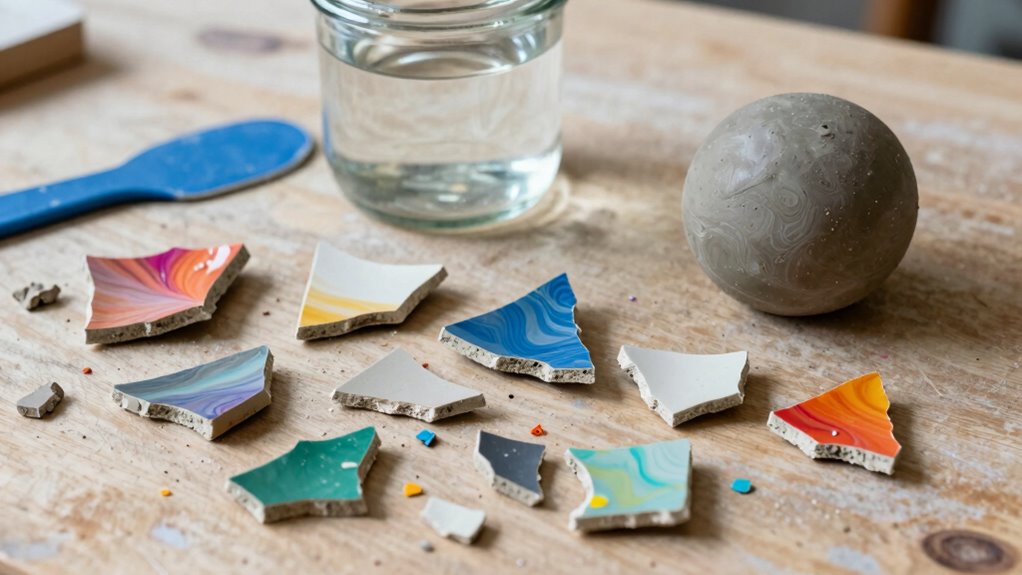
Gathering and preparing your scrap clay is the first step toward effective recycling. To maximize clay preservation and guarantee smooth ceramic recycling, collect all leftover bits, scraps, and trimmings from your workspace. Sort through your scrap to remove any foreign debris or dried pieces that won’t reconstitute well. Next, break larger chunks into manageable sizes for easier processing. Consider storing your scraps in airtight containers to prevent drying out before recycling. Keep tools like clay knives and spatulas clean to avoid contamination. Proper preparation assures your scrap clay remains moist and workable, making the recycling process cleaner and more efficient. Additionally, utilizing energy-efficient techniques can reduce waste and enhance sustainability in your clay recycling process. Regularly monitoring moisture levels helps maintain the ideal consistency for reuse. By carefully gathering and prepping your scraps, you set a solid foundation for successful clay reuse while reducing waste. Incorporating proper storage methods can further prevent drying and spoilage of your scraps, ensuring high-quality recycled clay. Awareness of cultural beliefs surrounding clay and its use can also inspire more mindful practices in your recycling process.
Step-by-Step: How to Clean and Recycle Clay
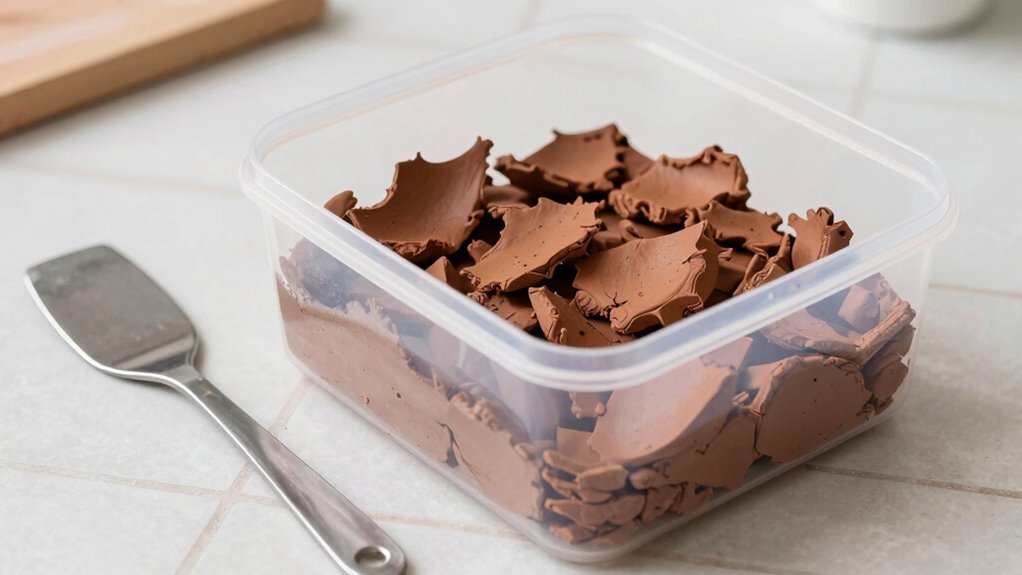
To recycle your clay effectively, start by gathering your scrap pieces and preparing them for cleaning. Next, clean and dehydrate the clay to remove moisture and impurities. Additionally, incorporating proper storage techniques can help preserve the quality of your clay for future use. Using airtight containers can prevent exposure to air and humidity that may degrade the clay over time. Implementing transparent pricing and fee structures can also help you better understand the costs involved in your recycling process. Furthermore, understanding the importance of creative storytelling for branding can inspire ways to market your recycled clay products creatively. Finally, recondition the clay so it’s ready for your next project, ensuring it feels fresh and workable. To maintain the integrity of your artwork, consider using adhesive strips designed for heavy frames to prevent damage when displaying your creations.
Gather and Prepare Scrap
Before you start recycling your clay scraps, it’s important to collect and prepare them properly. Gather all leftover clay, including scraps from handbuilding techniques and trimming. Ensure the pieces are free of debris, dried clay, or foreign materials. Break larger chunks into manageable sizes to facilitate cleaning and mixing. To improve the consistency of your reclaimed clay, consider proper blending techniques to ensure a uniform texture throughout your batch. Additionally, incorporating clay recycling methods can help optimize the process and reduce waste. Understanding the composition of clay can also assist in selecting the best recycling practices for your materials. To prepare your scraps: – Remove any bits of glaze or foreign substance to maintain glaze compatibility. – Soak dry scraps in water to soften them, making them easier to remix. – Keep your scraps in a sealed container to prevent contamination and drying out. Proper preparation guarantees your reclaimed clay will blend seamlessly with fresh clay, allowing for smooth handbuilding techniques and consistent results. This step is vital for creating a uniform, workable material ready for reuse. Moreover, familiarizing yourself with clay properties can further enhance your recycling process.
Clean and Dehydrate Clay
Once your scraps are collected and prepared, it’s time to clean and dehydrate them to guarantee they’re ready for reuse. Clay contamination from dust, debris, or leftover pottery glazing can compromise the quality of your reclaimed clay. To clean, break down any large chunks and rinse the scraps with water to remove surface impurities. Spread the damp clay on a flat surface or drying rack in thin layers. Allow it to air dry completely, turning it regularly to promote even dehydration. Proper dehydration prevents mold or bacteria growth and ensures the clay’s consistency remains stable. Once dry, the clay should feel firm and crumbly but not brittle. This process ensures your clay is free from contaminants and properly prepared for reconditioning or reuse. Understanding the 16PF traits can help tailor your approach to clay recycling, ensuring a thorough and efficient process. Incorporating sound vibrations into your drying routine may even enhance cellular regeneration in the clay, promoting better reusability.
Recondition for Reuse
Reconditioning clay for reuse is a straightforward process that restores its workability and quality. To begin, break down the dried scrap into smaller pieces and soak them in water until fully softened. Next, thoroughly mix to create a homogeneous slip, ensuring any ceramic glazes or debris are evenly incorporated. This step is vital for maintaining consistency in your pottery techniques and achieving smooth finishes. Then, strain the mixture to remove any impurities or unmelted particles. This refined clay can now be wedged and kneaded to achieve the desired consistency, ready for reuse. Remember, proper reconditioning helps preserve the clay’s plasticity and guarantees it responds well to your pottery techniques, producing high-quality results each time.
Tips to Remove Impurities and Make Clay Smooth
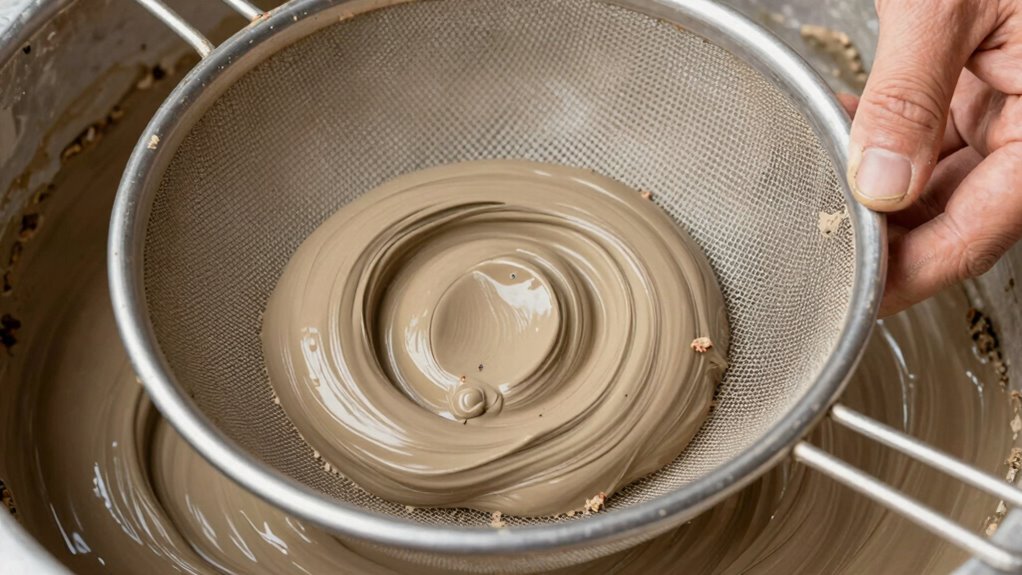
To guarantee your clay is smooth and free of impurities, start by filtering out any debris with a fine mesh or cloth. This step helps remove unwanted particles and prepares your clay for better consistency. Once clean, knead the clay thoroughly to achieve a uniform, smooth texture that’s easy to work with. Incorporating proper culinary techniques ensures your clay remains free of contaminants and improves its overall workability. Additionally, understanding material properties can help you select the best methods for handling different types of clay.
Filtering Impurities Effectively
Filtering impurities from clay is a crucial step to guarantee a smooth, workable texture. Proper filtering ensures effective impurity removal and enhances the clay’s texture, making it easier to work with. To achieve ideal results, consider these tips:
- Use a fine mesh strainer or sieve to trap debris and unwanted particles.
- Rinse the clay thoroughly with water to wash away residual impurities.
- Allow the clay to settle and then decant excess water, reducing impurities without compromising consistency.
Achieving Smooth Clay Texture
Achieving a smooth clay texture largely depends on effectively removing remaining impurities that can cause unevenness. Start by thoroughly mixing your reclaimed clay to ensure consistent clay consistency throughout. Use a fine mesh sieve or a damp cloth to filter out any residual debris or coarse particles, which helps improve texture smoothness. Knead the clay well, working out air bubbles and uneven lumps, to achieve uniformity. If the clay feels gritty or crumbly, add small amounts of water gradually, then knead until it reaches a pliable, smooth consistency. Properly prepared clay should feel soft yet firm, with a consistent texture that’s easy to work with. Additionally, understanding the composition of clay can help identify specific impurities that need extra attention during preparation. Recognizing the clay’s chemical properties can also guide you in adjusting moisture content and refining texture. These steps ensure your clay is free of impurities, resulting in a silky, smooth surface ideal for detailed or delicate work.
How to Store Reclaimed Clay for Future Use
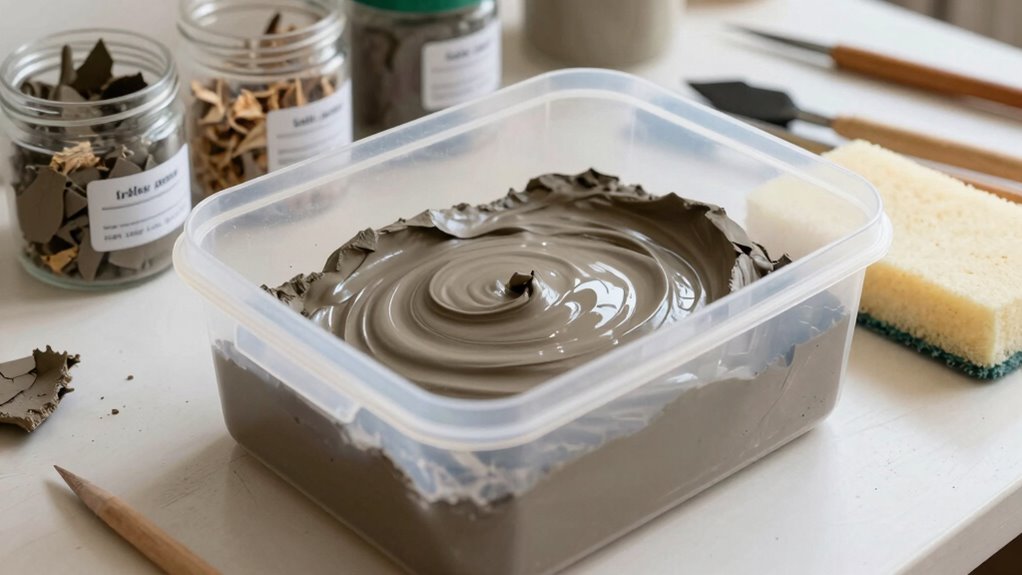
Storing reclaimed clay properly guarantees it stays workable for future projects. To keep it in top condition, use air tight containers to prevent drying out and contamination. Moist storage is ideal for maintaining the clay’s consistency, so wrapping it in plastic or sealing it tightly helps retain moisture. Additionally, choosing environmentally friendly storage options can help reduce environmental impact and ensure long-term preservation. Incorporating proper storage techniques can also extend the lifespan of your clay and make future handling easier. Ensuring that your storage method aligns with pinball machine weight considerations can also prevent damage and make future handling easier.
Common Mistakes When Reclaiming Clay: and How to Avoid Them
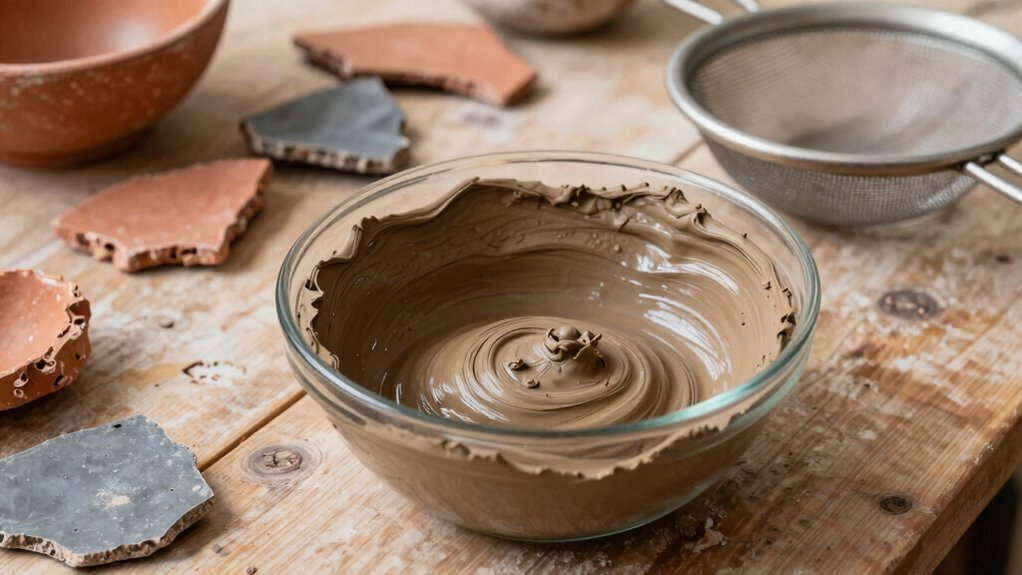
Reclaiming clay can be straightforward, but it’s easy to make mistakes that compromise the quality of your material. One common error is neglecting clay contamination, which occurs if debris, dirt, or other materials get mixed into your reclaimed clay. Always sift or screen your scrap to remove impurities. Another mistake is improper drying; rushing the process or drying unevenly can cause cracking or warping, making the clay unusable. Be patient and dry your reclaimed clay slowly and evenly, avoiding direct sunlight or high heat. Failing to clean tools thoroughly can also transfer contaminants. By paying attention to contamination and drying techniques, you’ll ensure your reclaimed clay stays clean and workable, avoiding issues that could ruin your projects.
Troubleshooting Reclaimed Clay: Fixing Common Problems
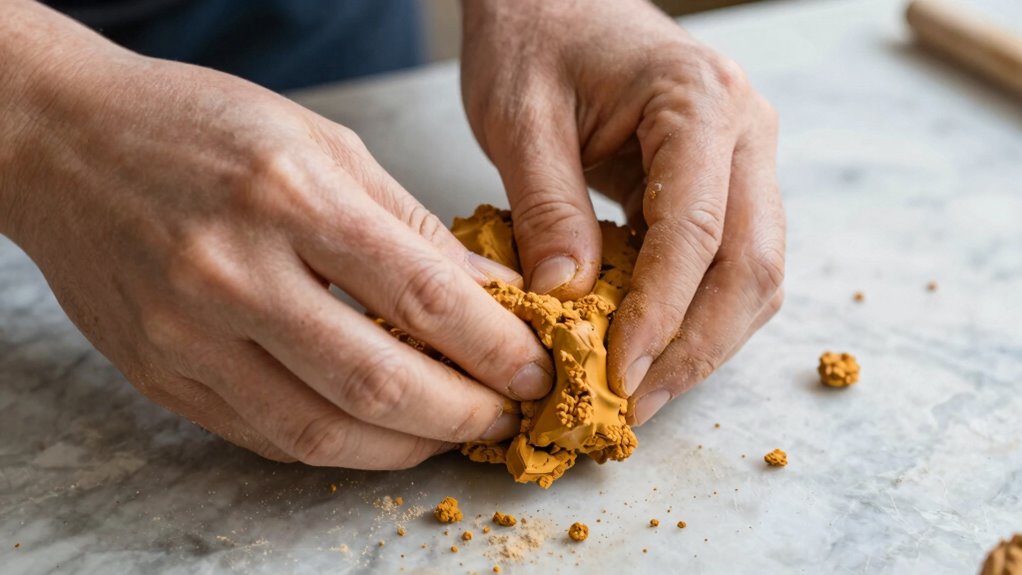
When reclaiming clay, problems can sometimes arise despite careful processes. Common issues include inconsistent clay color, storage container choices affecting cleanliness, and moisture imbalances. To fix clay color issues, ensure you thoroughly wedge the reclaimed clay to distribute color evenly. Choosing the right storage container is vital; opt for airtight, non-reactive options like plastic or glazed ceramic to prevent contamination. If your reclaimed clay feels too dry or too wet, adjust moisture levels by adding small amounts of water or letting it sit uncovered for moisture evaporation. Regularly inspecting your storage containers helps prevent dirt or debris from mixing in. Proper storage and handling are key to maintaining quality, so always keep your reclaimed clay in clean, appropriate containers and use it promptly after reclaiming.
Frequently Asked Questions
Can Reclaimed Clay Be Used for All Types of Pottery?
Reclaimed clay can be used for many types of pottery, but clay compatibility and firing considerations matter. You should check if the reclaimed clay matches your original clay’s properties to verify it works well with your project. Some clays may need adjustments, like adding grog or other materials, to improve stability. Always test small batches first, and consider firing temperatures to avoid cracking or warping during firing.
How Long Can I Store Reclaimed Clay Without Drying Out?
Think of your reclaimed clay as a delicate seed; it can last for weeks if you practice proper clay preservation. Store it airtight in a plastic storage container to prevent drying out. Typically, reclaimed clay remains workable for about 2-4 weeks, but check regularly for cracks or dryness. Proper storage keeps your clay fresh and ready for your next creative adventure, acting like a guardian for your clay’s liveliness.
Is It Necessary to Add Water When Reclaiming Very Dry Scrap Clay?
Yes, you should add water when reclaiming very dry scrap clay. Dry scrap has low moisture content, making it difficult to work with and prone to cracking during the drying process. Adding a small amount of water helps restore the clay’s moisture balance, making it more pliable and easier to work with. This step guarantees a smoother drying process and a more consistent, usable reclaimed clay.
Are There Specific Tools Recommended for Reclaiming Clay Efficiently?
Think of reclaiming clay like a craftsman’s toolkit—selecting the right tools makes all the difference. You’ll want a sturdy wire cutter for breaking down scrap, a fine mesh sieve for removing impurities, and a damp sponge or spray bottle to add moisture when needed. Regular equipment maintenance guarantees smooth operation, preventing contamination and preserving the quality of your reclaimed clay, making the process efficient and mess-free.
How Often Should I Reclaim Clay During a Pottery Project?
You should recover clay regularly during your pottery project, especially when you notice excess scrap or after completing a session. Incorporate clay recycling into your project planning to keep your workspace clean and your clay supplies efficient. Reclaiming often prevents waste and ensures your clay stays fresh and workable. By doing this consistently, you save time and maintain the quality of your finished pieces.
Conclusion
Reclaiming clay is like nurturing a garden—you nurture your scrap until it blooms into fresh, usable material. By following these simple steps, you turn waste into a valuable resource, reducing waste and saving money. Keep an eye on impurities and store your reclaimed clay properly, so it’s always ready when inspiration strikes. With patience and care, your clay garden will flourish, providing endless creative possibilities without ever running dry.