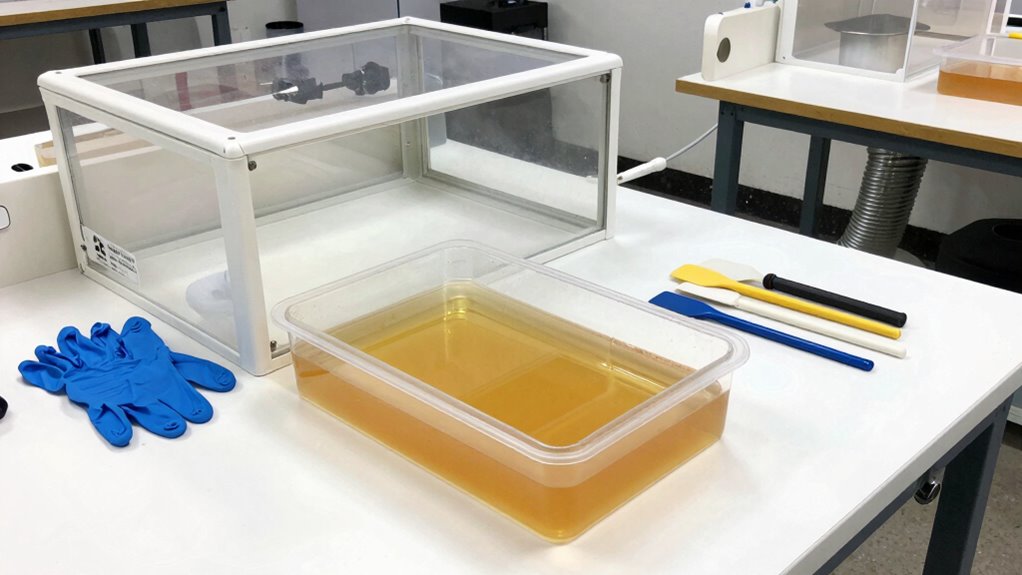

Before starting resin printing, create a clean, well-ventilated workspace near a window or with an exhaust fan. Organize your tools and keep safety gear like gloves, goggles, and masks within easy reach. Cover surfaces with protective mats and make sure proper lighting for visibility. Regularly inspect your ventilation and clean your area to maintain safety. Proper setup minimizes risks and makes your process smoother—continue because there’s more to master for safe, effective resin printing.
Key Takeaways
- Choose a well-ventilated area near a window or with a functioning exhaust fan to minimize resin fumes.
- Wear appropriate safety gear such as gloves, goggles, and masks during resin handling.
- Organize tools and work surfaces on non-porous, protected surfaces like silicone mats for easy cleanup.
- Ensure proper lighting to improve visibility and reduce errors during printing and post-processing.
- Regularly inspect and maintain ventilation, lighting, and safety equipment for optimal safety and performance.
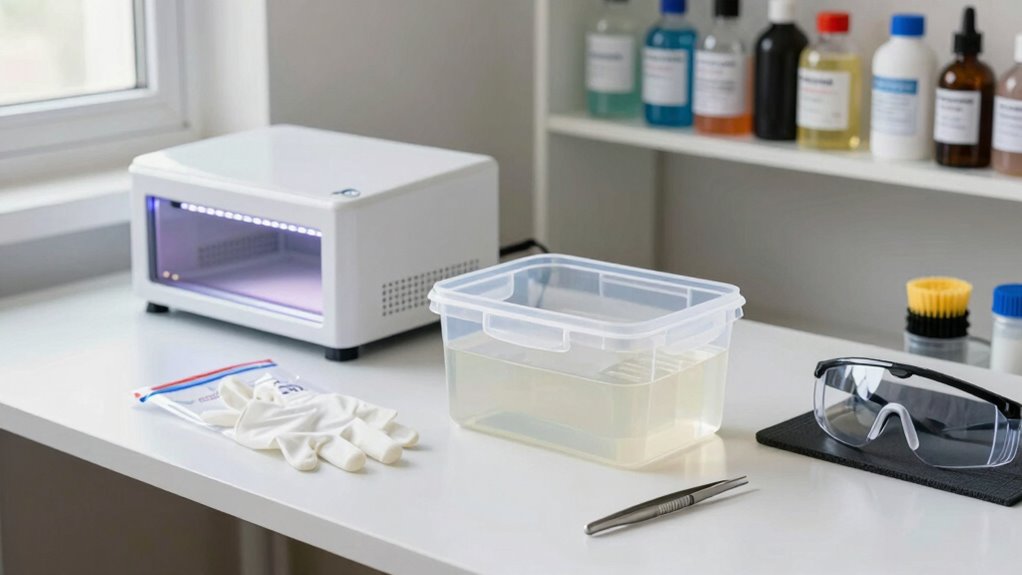
Getting your workspace ready for resin printing is essential to guarantee safe, efficient, and high-quality results. Resin printing involves working with liquids that cure quickly when exposed to UV light, so preparing your environment properly helps prevent accidents and guarantees the best finished products. One of the most important steps is organizing your workspace to minimize exposure to resin fumes and spills. Clear a dedicated area with good ventilation, ideally near a window or with an exhaust fan, to disperse any harmful vapors released during resin curing. This not only protects your health but also keeps your workspace cleaner and more manageable. Ensuring you have proper ventilation systems in place can significantly reduce the buildup of potentially harmful fumes. Additionally, regularly inspecting your ventilation setup ensures it functions effectively and maintains a safe environment.
Organize a well-ventilated workspace to ensure safety and cleanliness during resin printing.
Before you start, gather all necessary safety gear. Gloves made of nitrile or latex protect your skin from contact with uncured resin, which can cause irritation or allergic reactions. Safety goggles shield your eyes from splashes or accidental splatters, especially when pouring resin or cleaning tools. Wearing a mask with a filter or respirator is advisable if you’re working in a poorly ventilated space or handling large quantities of resin, as fumes can be harmful over time. Don’t forget to have a well-ventilated area designated solely for resin work, and keep a spill cleanup kit nearby—absorbing pads, paper towels, and isopropyl alcohol are essential for quick cleanup. Ensuring proper ventilation is crucial for dispersing harmful vapors and maintaining a safe environment. Additionally, setting up proper storage for unused resin helps prevent accidental spills and keeps your workspace organized.
Your work surface should be sturdy, non-porous, and easy to clean, such as a silicone mat or a plastic tray. Covering your table with protective layers prevents resin from damaging furniture and simplifies cleanup. Keep all your tools—such as mixing sticks, measuring cups, and curing lights—in one organized spot, so you don’t waste time searching during your project. When handling resin, always work in a well-lit area to see the details clearly, reducing errors and waste. Additionally, using adequate lighting can help you spot imperfections early and improve overall print quality. A well-lit workspace also contributes to safer handling practices and more precise work. Proper lighting not only enhances visibility but also reduces eye strain during prolonged sessions. Regularly cleaning your workspace and tools further minimizes the risk of contamination and ensures a safer environment for future projects.

Geyoga 3 Pairs Silicone Gloves for Epoxy Resin Casting Reusable Waterproof Epoxy Gloves Safe Silicone Finger Protectors for DIY Jewelry Making Work Crafts
Guard your hands: this reusable safety silicone glove is made of quality silicone material, which is safe and…
As an affiliate, we earn on qualifying purchases.
As an affiliate, we earn on qualifying purchases.
Frequently Asked Questions
How Often Should I Clean My Resin Printer?
You should clean your resin printer regularly, ideally after every print session, to guarantee ideal resin curing and maintain accurate printer calibration. Wipe down the build platform, resin vat, and exterior surfaces with isopropyl alcohol to remove residual resin. Frequent cleaning prevents resin buildup, reduces print defects, and keeps your printer functioning smoothly. Regular maintenance also helps you spot any issues early, ensuring consistent, high-quality prints.
What Are the Best Storage Methods for Resin?
Imagine your resin as a delicate potion, needing a safe, controlled environment. Store your resin in airtight, opaque containers to protect it from light and air, which can cause curing or degradation. Keep these containers upright and well-sealed, ensuring no spills or evaporation. Organize your resin storage by labeling each container clearly, maintaining tidy container organization, so you always know what’s fresh and ready for your next printing adventure.
Can I Use Household Items to Clean Resin Spills?
Yes, you can use household cleaning items for spill management, but be cautious. Immediately clean resin spills with isopropyl alcohol or soap and water, avoiding harsh chemicals that could cause fumes or reactions. Use gloves and ventilate the area. For larger spills, absorb excess resin with paper towels or cloths before cleaning. Proper spill management guarantees safety and keeps your workspace clean without risking damage or health hazards.
How Do I Dispose of Leftover Resin Safely?
To dispose of leftover resin safely, you should avoid pouring it down the drain. Instead, transfer unused resin into a sealed, labeled container for resin disposal or hazardous waste collection. Never discard resin in regular trash, as it’s considered hazardous waste. Check local regulations for proper resin disposal procedures, ensuring you follow guidelines to prevent environmental contamination and health risks. Always wear gloves and work in a well-ventilated area during disposal.
Is It Necessary to Wear Protective Gloves at All Times?
Yes, you should wear protective gloves at all times when handling resin to guarantee safety. Protective gear like gloves helps prevent skin contact with harmful chemicals and reduces the risk of irritation or allergic reactions. Following safety precautions, such as wearing gloves, is essential to keep yourself safe during resin printing. Always use gloves when pouring, mixing, or cleaning up resin to minimize exposure and maintain a safe workspace.

Sapid Extra Large Silicone Sheet for Crafts, Thick Silicone Jewelry Casting Mats, Nonstick Nonslip Silicon Mat for Epoxy Resin, Art Painting, Heat- Resistance Counter Mat (20"×27.9", Black)
Oversized Silicone Mat : The size of the silicone craft mat is 20×27.9inches. It's large enough for maintaining…
As an affiliate, we earn on qualifying purchases.
As an affiliate, we earn on qualifying purchases.
Conclusion
By setting up your workspace with care, you’re creating a safe haven where your resin printing projects can flourish like a well-tended garden. Remember to keep everything organized, wear protective gear, and work in a well-ventilated area—think of it as giving your creative engine the perfect fuel. With these precautions in place, you’ll navigate resin printing smoothly, turning potential hazards into just another part of your successful, safe crafting adventure.
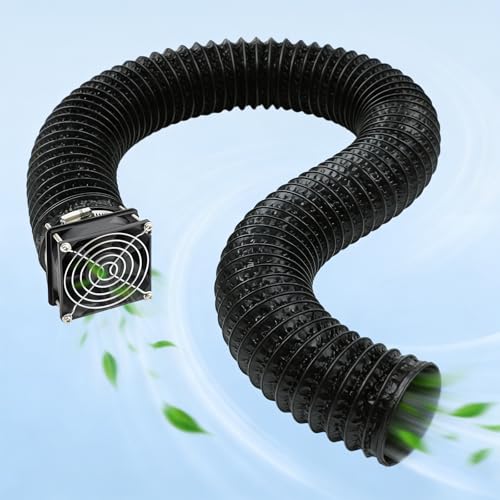
Baquler Fan Fume Extraction Kit for 3D Printer Enclosure 4000 RPM High-Efficiency Ventilation Low Noise Fan with Exhaust Pipe Flange Mesh Cover for Air Circulation Odors Smoke Harmful Particle Dust
Complete Fume Extraction Kit: this fan fume extraction kit is a comprehensive set that includes a mesh cover,…
As an affiliate, we earn on qualifying purchases.
As an affiliate, we earn on qualifying purchases.
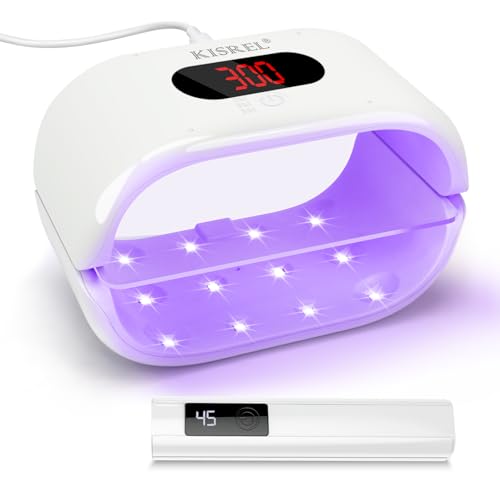
KISREL UV Light for Resin, Large Double-Sided Light with UV Flashlight, 2-in-1 Detachable Resin Curing Machine, 3-Speed Digital Display, 36w Fast Curing Lamp for Crafts, Jewellery Making
【Double-Sided Fast Curing】: KISREL UV Resin Light with double-sided design, equipped with 24 high-power LED beads, the upper…
As an affiliate, we earn on qualifying purchases.
As an affiliate, we earn on qualifying purchases.