
You need heat sealing if your products require protection from contamination, spoilage, or tampering, especially for perishable or sensitive items. It provides a secure, professional look that boosts customer confidence and helps maintain product freshness. However, if your products are non-perishable or don’t need high security, heat sealing might not be necessary. To find out more about how heat sealing can benefit your specific needs, keep exploring the options.

Get business pricing on tools and workshop supplies
- Business-only prices and quantity discounts
- Tax-exempt purchasing
- Multiple users, one account, clear invoices
Key Takeaways
- Sellers of perishable or high-security products require heat sealing to maintain freshness and prevent tampering.
- Non-sensitive products may not need heat sealing if packaging integrity isn’t a priority.
- Heat sealing enhances product shelf life and brand trust for sellers handling fragile or delicate items.
- Cost considerations and production volume influence whether heat sealing is necessary for a seller.
- Packaging type and material compatibility determine the need for heat sealing versus simpler sealing methods.
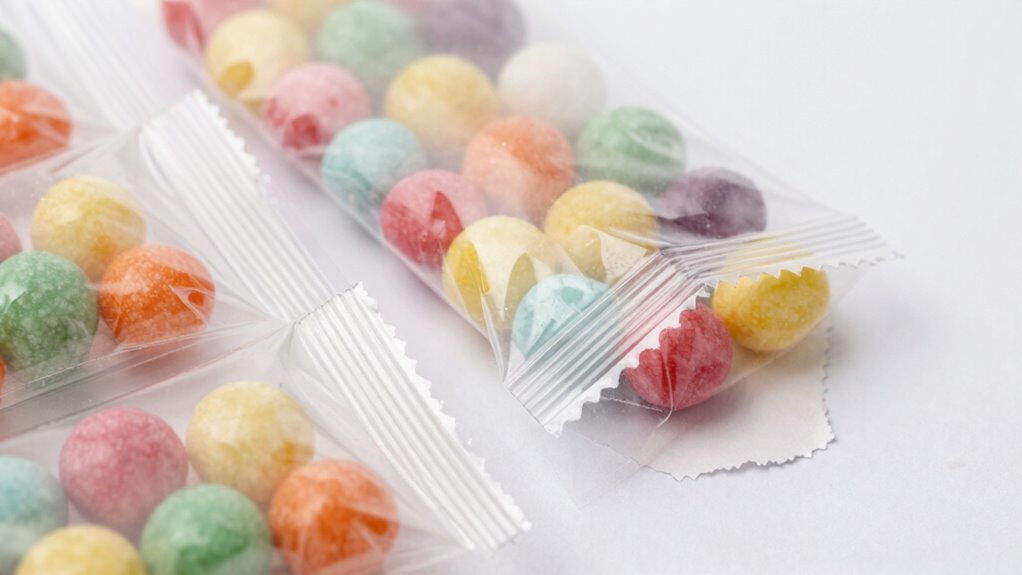
Heat sealing is a crucial process for many sellers looking to guarantee their products stay fresh, secure, and tamper-proof. When you choose heat sealing, you’re investing in packaging integrity, which guarantees your products remain in ideal condition from the moment they leave your facility until they reach your customers. This method provides a tight, reliable seal that prevents contamination, spoilage, and tampering, making it especially important for perishable items, sensitive goods, or products that require a high level of security. If your business deals with food, pharmaceuticals, or other delicate products, heat sealing offers the peace of mind that your packaging will hold up under various conditions, protecting both your brand and your customers.
Heat sealing ensures your products stay fresh, secure, and tamper-proof from production to delivery.
Beyond safeguarding your products, heat sealing also supports cost efficiency—an essential factor for any seller aiming to maximize profits. By creating an effective barrier, heat sealing reduces waste due to spoilage or damage, which can markedly cut costs over time. It also simplifies the packaging process, often requiring less manual labor and fewer materials compared to other sealing methods. When you opt for heat sealing equipment, you can streamline your production line, cut down on packaging time, and minimize labor costs, making it a smart choice for high-volume operations. Because the seal is durable and consistent, you minimize the chances of product returns or complaints caused by compromised packaging, which further saves expenses associated with refunds or replacements. Additionally, proper training and maintenance can significantly extend the lifespan of your heat sealing equipment and ensure consistent results. Incorporating quality control measures into your process can also help maintain high standards and prevent costly errors.
Furthermore, heat sealing can be adapted to various packaging types, from pouches and bags to trays and wraps, giving you flexibility without sacrificing quality. This versatility ensures you can maintain high packaging standards across different product lines while keeping costs manageable. Properly selected packaging materials can also enhance the overall durability and effectiveness of heat sealing, providing an extra layer of security for your products. If you’re focused on branding and consumer appeal, heat sealing also provides a clean, professional look—adding value to your product and boosting consumer confidence. Additionally, using appropriate packaging materials can enhance the effectiveness of heat sealing and improve overall product protection.
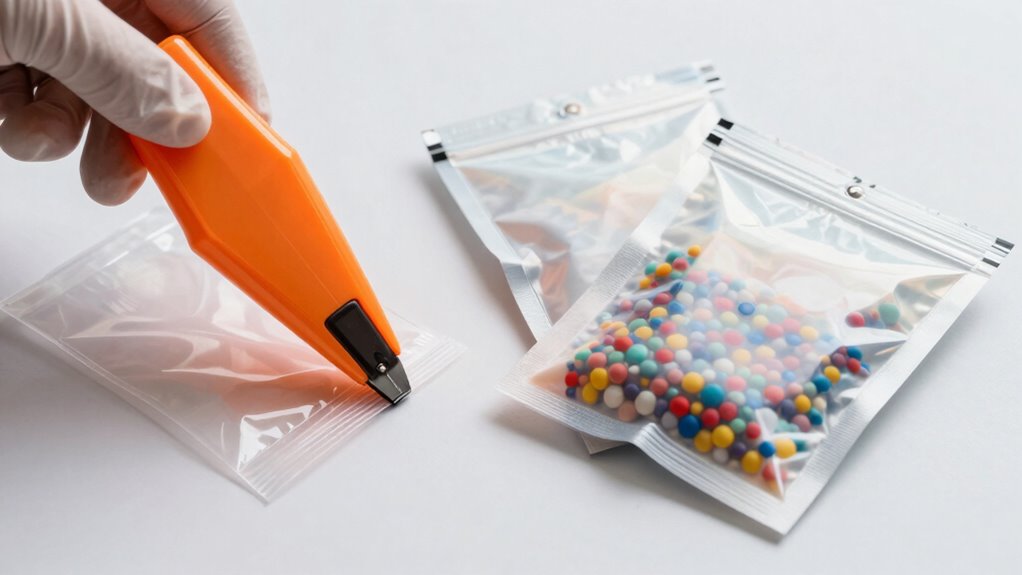
heat sealing machine for packaging
As an affiliate, we earn on qualifying purchases.
As an affiliate, we earn on qualifying purchases.
Frequently Asked Questions
What Materials Are Best Suited for Heat Sealing?
You should choose materials like polyethylene, polypropylene, or PVC for heat sealing, as they offer excellent material compatibility and sealing strength. These plastics melt and bond effectively under heat, creating secure, airtight seals. Avoid materials that are thick or rigid, as they may not seal well or could damage your equipment. Using compatible materials guarantees a strong seal, reduces waste, and improves product safety and shelf life.
How Does Heat Sealing Affect Product Shelf Life?
Heat sealing extends your product’s shelf life by locking in freshness and preventing contamination. While it preserves product freshness, it also depends on seal integrity to keep out air, moisture, and bacteria. A strong seal ensures your product stays fresh longer, reducing spoilage. Conversely, poor heat sealing can compromise shelf life, making your products vulnerable. Proper sealing techniques are essential for maintaining quality and maximizing shelf life.
Can Heat Sealing Be Used for All Packaging Types?
Heat sealing isn’t suitable for all packaging types. You might find it ideal for flexible films, pouches, or certain plastics where sealing speed and packaging aesthetics matter. However, rigid containers or materials sensitive to heat may not work well with this method. Consider the packaging’s material composition and desired presentation, as heat sealing enhances appearance and efficiency but isn’t universally applicable across every packaging type.
What Are the Cost Implications of Heat Sealing Equipment?
The cost implications of heat sealing equipment involve initial investment and ongoing expenses. You should conduct a thorough cost analysis to determine if the equipment fits your budget, considering purchase price and installation. Keep in mind that regular equipment maintenance is essential to prevent breakdowns and prolong lifespan, which can add to overall costs. While some options are affordable, high-end models may require larger budgets but offer increased efficiency and durability.
Is Heat Sealing Environmentally Friendly?
Heat sealing isn’t always environmentally friendly because it often uses plastic materials that pose recycling challenges. However, eco-friendly alternatives like biodegradable films and plant-based plastics are becoming available. By choosing these options, you can reduce your environmental impact. While heat sealing itself isn’t inherently eco-friendly, selecting sustainable materials and addressing recycling challenges make it possible to minimize your carbon footprint and promote greener packaging practices.
Conclusion
Whether you need heat sealing or not depends on your product’s nature and your packaging goals. While some sellers rely on it for freshness and security, others find traditional methods more suitable. It’s like choosing between a sturdy lock and a simple latch—each has its place. Ultimately, understanding your product and your customers’ expectations helps you decide. Sometimes, a quick seal makes all the difference; other times, it’s the personal touch that counts.
Halloween Picks
halloween
As an affiliate, we earn on qualifying purchases.