

To transfer designs effectively, you can use methods like carbon paper, freezer paper, and tracing. With carbon paper, place it beneath your pattern and trace over it to transfer the design directly onto your surface. Freezer paper works by tracing your design onto its shiny side, then ironed onto fabric for a reusable stencil. Tracing involves copying your design onto transfer paper or a transparent sheet. Keep exploring to discover tips that can help you perfect each technique.

Get business pricing on tools and workshop supplies
- Business-only prices and quantity discounts
- Tax-exempt purchasing
- Multiple users, one account, clear invoices
Key Takeaways
- Carbon paper transfers designs by placing it under the pattern and tracing over lines, ideal for crisp, clear results.
- Freezer paper involves tracing designs on the shiny side, then ironing onto fabric for reusable, sharp-edged stencils.
- Tracing uses transfer paper or transparent sheets to replicate detailed artwork onto surfaces for painting or printing.
- Mastering these techniques ensures accurate design transfer, enhances craft quality, and allows multiple reproductions.
- Each method offers unique benefits, suitable for different materials and project needs in fabric painting, stenciling, and artwork.
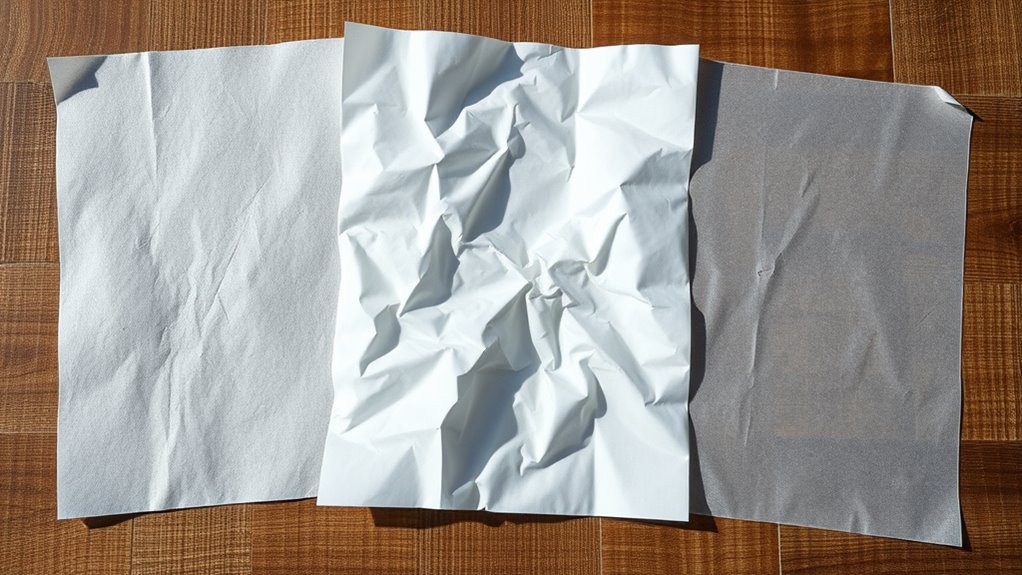
Have you ever wondered how athletes seamlessly move objects or switch positions during a game? It’s a skill that relies on precise timing, coordination, and understanding of movement techniques. Similarly, in craft and art projects, transfer techniques like carbon paper, freezer paper, and tracing help you move designs onto different surfaces smoothly and accurately. Whether you’re working on fabric painting, stencil making, or creating detailed artwork, mastering these transfer methods ensures your designs come out perfect.
Using carbon paper is one of the most straightforward ways to transfer a design. You place the carbon paper underneath your sketch or pattern, then trace over the lines with a pen or pencil. The pressure transfers the graphite or color from the carbon paper onto your surface, whether it’s fabric, paper, or wood. This technique is especially useful in fabric painting, where you want your design to stay crisp and clear. You can trace intricate patterns or letters onto fabric before filling them in with paint or dye. It’s also handy for stencil making, as it helps you replicate complex shapes onto your stencil material with precision. Just remember to position the carbon paper carefully to avoid smudges or misalignment.
Freezer paper offers another effective transfer method, particularly popular for fabric projects. You start by printing or drawing your design onto regular paper, then place the freezer paper shiny side down onto your design and trace it with a pen. The traced design adheres lightly to the shiny side of the freezer paper, which you can then cut out to create a stencil. When you’re ready to apply it, you iron the freezer paper directly onto your fabric, with the shiny side facing down. The heat causes the paper to stick temporarily, allowing you to paint or dye over the stencil without it shifting. This method is especially good for fabric painting because it produces clean, sharp edges. It’s also reusable, making it a cost-effective choice for multiple projects.
Tracing is a versatile technique that works well if you want to replicate a design precisely. You can use transfer paper, or simply place a transparent sheet over your original artwork and trace it with a pencil or marker. Once your design is transferred onto your surface, you can go over it with paint, ink, or other media. Tracing is particularly useful for detailed illustrations or when you need to replicate a pattern multiple times. It’s a common step in stencil making, where you trace your design onto stencil material and then cut it out carefully. This process gives you a clean, professional-looking stencil that you can reuse repeatedly for fabric painting, wall art, or decorative projects.
Mastering these transfer techniques empowers you to create detailed, accurate designs with confidence. Whether you’re working on fabric painting, stencil making, or any craft that requires precision, knowing how to transfer your design seamlessly makes all the difference.
carbon paper for fabric transfer
As an affiliate, we earn on qualifying purchases.
As an affiliate, we earn on qualifying purchases.
Frequently Asked Questions
Which Transfer Technique Is Best for Fabric Durability?
You should choose freezer paper transfer for fabric durability. It offers excellent transfer longevity and withstands multiple washes without fading or peeling, making your design more washable. While carbon paper and tracing may work temporarily, freezer paper creates a more durable bond, ensuring your artwork stays vibrant over time. For long-lasting results, this technique is ideal, especially if you want your design to endure frequent laundering.
Can These Transfer Methods Be Used on Dark-Colored Surfaces?
You can absolutely use these transfer methods on dark-colored surfaces, but be aware that transfer adhesion might be tricky. These techniques often work best on lighter backgrounds, so you may need to use special transfer papers or add extra layers of ink to make your design pop like a fireworks display. With a little patience, you’ll achieve vibrant, durable results even on those challenging dark surfaces.
How Do I Fix Mistakes During the Transfer Process?
If you make a mistake during the transfer, don’t panic. For error correction, gently erase or lift off excess transfer material if possible, especially with carbon or freezer paper. For transfer mishaps, quickly use a damp cloth or rubbing alcohol to carefully remove the unwanted areas. Then, redo the transfer carefully, ensuring your surface and materials are properly prepared. Patience and gentle handling are key to fixing mistakes effectively.
Are There Environmentally Friendly Transfer Options Available?
They say “reduce, reuse, recycle,” so yes, eco-friendly transfer options exist. You can use biodegradable papers and eco-friendly inks that are gentle on the environment. These alternatives minimize waste and harmful chemicals, making your craft more sustainable. Switching to these materials helps protect the planet while you create. So, when choosing transfer methods, opt for biodegradable papers and eco-friendly inks — it’s a small change that makes a big difference.
What Tools Are Necessary for Each Transfer Technique?
You’ll need specific tools for each transfer technique. For transfer paper selection, choose the right type based on your project, like carbon or graphite transfer paper. Tracing tools needed include a pencil or stylus to trace your design onto transfer paper or freezer paper. For freezer paper transfers, you’ll also need an iron to secure the paper to your fabric. Gather these tools, and you’re ready to start your project confidently.
Conclusion
Now that you know how to use carbon paper, freezer paper, and tracing methods, you’re ready to bring your designs to life. Imagine creating a heartfelt gift—like a custom tote with a loved one’s favorite quote—using these techniques. Whether for personal projects or gifts, mastering these transfer methods empowers you to turn ideas into beautiful, lasting art. Start experimenting today, and watch your creativity flourish with each new piece you create.
Fall yard work Picks
leaf blowers
As an affiliate, we earn on qualifying purchases.